
Nigeria and the Republic of Benin have been urged to use diplomacy, cultural ties and traditional institutions to resolve border conflicts, strengthen security and promote regional integration.
Permanent Secretary, Nigeria-Benin Republic Inter-Border Forum, Mr. who gave this call explained that both countries shared historical, cultural and social ties that should be leveraged to prevent disputes and promote peaceful coexistence.
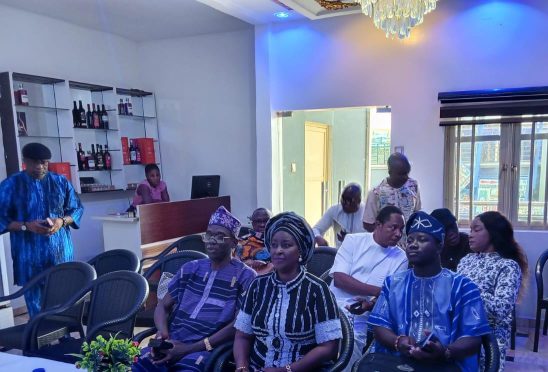
Speaking at a training programme organized by the Edo-Delta Journalists Association held on Wednesday at Ogolor in the Port-Novo area of Benin Republic stated that Communities along the border often regarded themselves as one people, despite the international boundary.
According to him, colonial-era demarcations divided people with common ancestry, traditions, family relationships and economic interests, making it necessary for authorities to consider local realities when enforcing border regulations.
He acknowledged governments’ responsibility to protect their territories but cautioned that border management should not unnecessarily harass residents and travellers who meet entry requirements.
“Free movement of people and goods, he said, remained essential to regional integration but must be balanced with legitimate security concerns.
“Free movement does not mean that we should not know who is coming into the country, what they are coming to do and how long they intend to stay,” he said.
He urged security personnel to treat travellers professionally and with respect for human dignity after they had fulfilled immigration requirements.
Excessive restrictions, he warned, could disrupt cross-border trade, separate families and undermine livelihoods dependent on regular interaction across the border.
He advocated closer cooperation among security agencies, traditional rulers, local government officials and other stakeholders in both countries.
“Traditional institutions, possessed valuable knowledge of local customs, community relationships and historical grievances that could help resolve disputes without force” he added .
He urged both governments to engage traditional leaders regularly on security, peaceful coexistence and regional integration.
He recalled that after becoming a permanent secretary in 2012, he participated in engagements with authorities, traditional rulers and local government representatives from both countries through an inter-border forum.
The initiative, according to him, sought to promote dialogue, prevent conflicts and encourage local diplomacy rather than reliance solely on higher authorities.
He also called for border communities to be viewed as potential centres of economic growth rather than merely security challenges.
Cultural festivals, arts and joint economic activities, he said, could strengthen relationships, stimulate commerce and create opportunities for residents.